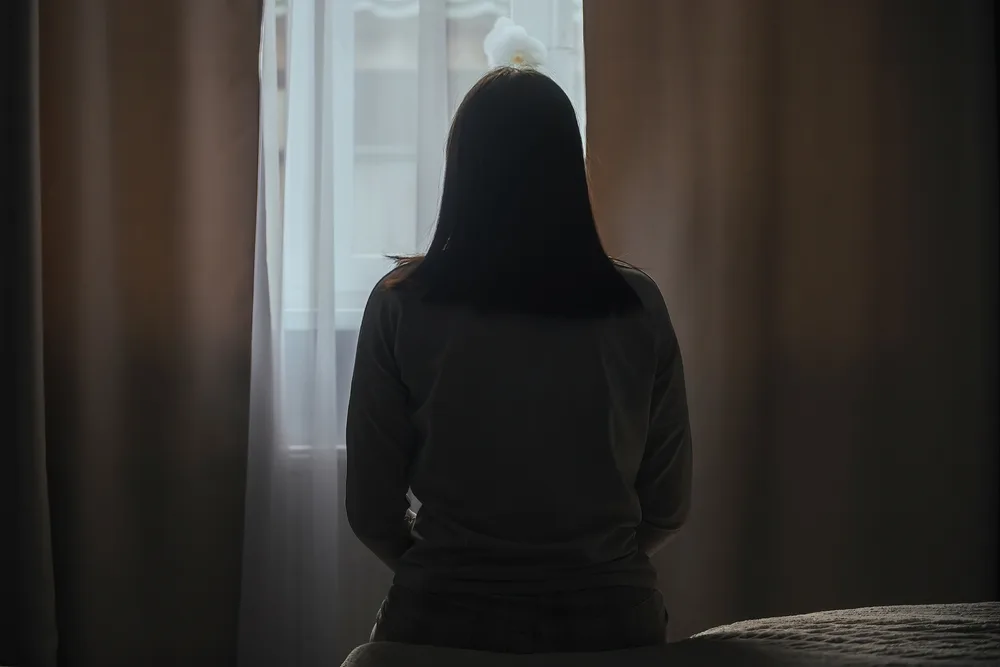
Living with chronic pain can feel exhausting, frustrating, and sometimes overwhelming. While medications can be helpful, relying solely on heavy painkillers isn’t always the best solution. The good news? There are plenty of practical, non-medication strategies that can help you manage pain, feel more in control, and improve your quality of life.
Here’s a guide to approaches you can try — alone or alongside your healthcare provider’s recommendations.
Understand Your Pain
The first step in managing chronic pain is understanding it. Pain isn’t just “in your body” — it’s influenced by your nervous system, your emotions, and your daily habits. Knowing what triggers your pain, what makes it worse, and what gives relief can help you make smarter choices.
Consider keeping a pain journal for a couple of weeks:
- Note what activities or foods increase pain
- Record times of day when pain is worse or better
- Track what strategies help even a little
This simple step gives both you and your doctor useful insight for managing your pain more effectively.
Gentle Movement Helps More Than You Think
Exercise might feel like the last thing you want to do when in pain, but gentle, consistent movement can actually reduce discomfort over time. Movement helps keep joints flexible, improves circulation, and releases endorphins — the body’s natural painkillers.
Good low-impact options include:
- Walking or light jogging
- Swimming or water aerobics
- Yoga or tai chi
- Stretching routines
Start slowly and build gradually. Even a few minutes a day can make a difference, and consistency matters more than intensity.
Mind Your Posture and Ergonomics
How you sit, stand, and move throughout the day can significantly affect chronic pain, especially in the back, neck, and shoulders. Poor posture or repetitive strain often makes pain worse.
Tips to improve ergonomics:
- Adjust your chair, desk, and computer setup
- Use supportive shoes and cushions when needed
- Take short movement breaks every hour
- Avoid prolonged periods in one position
Small adjustments like these can prevent added stress on your muscles and joints.
Explore Heat, Cold, and Other Physical Therapies
Non-medication therapies can provide relief for many types of chronic pain:
- Heat therapy relaxes tight muscles and improves circulation
- Cold therapy reduces inflammation and numbs sharp pain
- Massage eases muscle tension and promotes relaxation
- Physical therapy teaches techniques to move more safely and reduce strain
These strategies can often be done at home or under the guidance of a professional.
Mind-Body Approaches: The Power of Your Brain
Pain isn’t just physical — your mind can influence how you feel it. Mind-body practices can help reduce pain perception and improve coping skills.
Try incorporating:
- Deep breathing exercises
- Meditation or mindfulness
- Guided imagery or visualization
- Gentle yoga or tai chi
Even a few minutes a day of these practices can make pain more manageable over time.
Nutrition and Lifestyle Factors
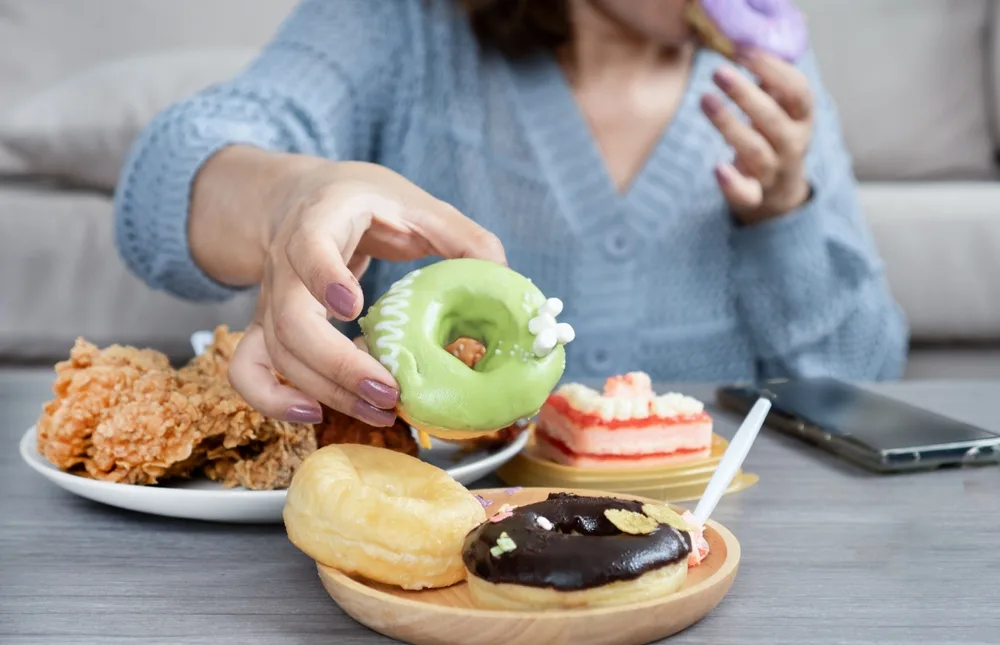
What you eat, how you sleep, and your stress levels all influence chronic pain. While there’s no “magic diet,” certain habits can support your body and reduce inflammation:
- Eat plenty of fruits, vegetables, and whole grains
- Include anti-inflammatory foods like fatty fish, nuts, and olive oil
- Stay hydrated
- Prioritize sleep and aim for a consistent schedule
- Manage stress with hobbies, social connections, or relaxation techniques
Small, steady lifestyle changes often pay off in improved energy and reduced discomfort.
Support Systems Matter
Living with chronic pain can feel isolating. Having a support network makes a real difference:
- Talk openly with friends and family about what you’re experiencing
- Join local or online chronic pain support groups
- Work with healthcare professionals who listen and collaborate
Feeling understood and supported can reduce stress, which in turn can lower pain intensity.
Track Progress and Adjust
Chronic pain management is rarely linear. What works one week may need adjustment the next. Keeping track of which strategies help, even slightly, allows you to refine your plan over time.
Consistency, small improvements, and patience are your best allies. Celebrate small wins — like sleeping a little better, walking a bit further, or experiencing fewer flare-ups — and use them as motivation to keep trying.
When to Seek Professional Help
Even with lifestyle and mind-body strategies, some pain requires professional guidance. Don’t hesitate to talk with your doctor, pain specialist, or physical therapist if:
- Pain is worsening or persistent
- Daily activities become difficult
- You’re considering or currently using medications
A combination of professional support and self-care strategies often produces the best outcomes.
You CAN Be In Control
Managing chronic pain without heavy medications isn’t about eliminating pain completely; it’s about finding sustainable ways to feel better, move more comfortably, and regain control of your life.
By combining gentle movement, posture awareness, mind-body practices, physical therapies, and lifestyle adjustments, many people discover that pain becomes less overwhelming — and life becomes more enjoyable.
By Admin –